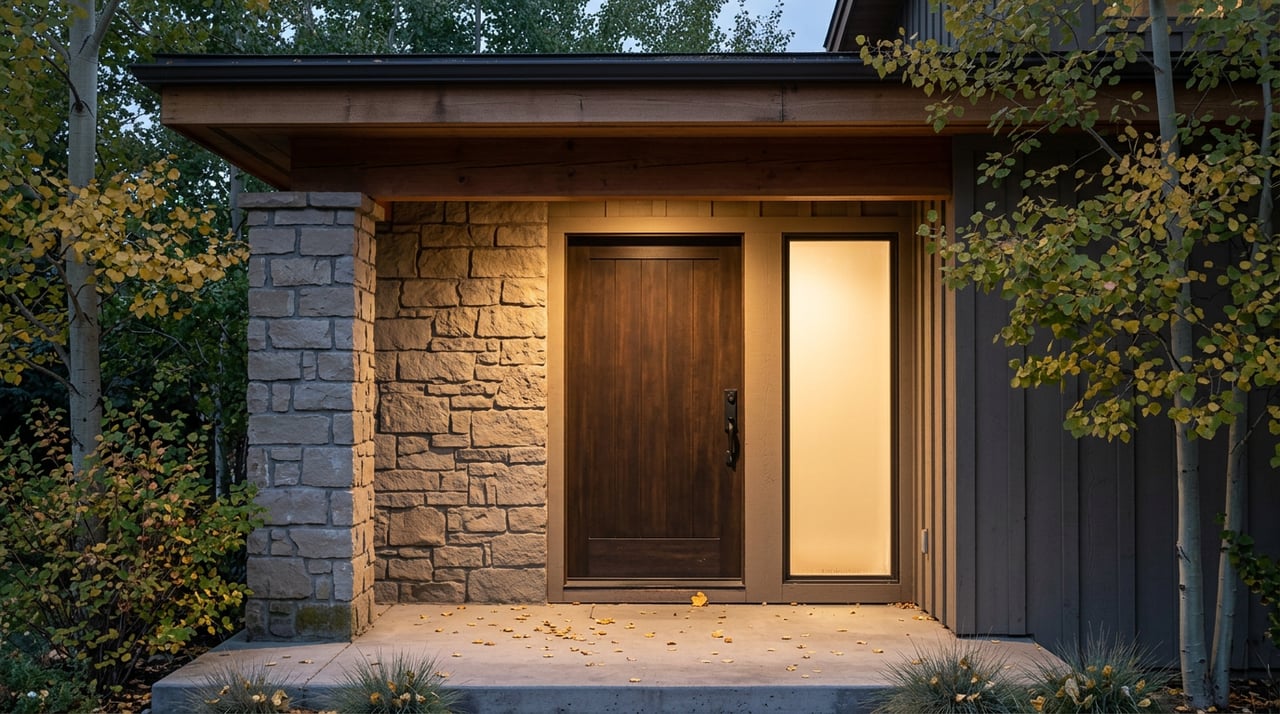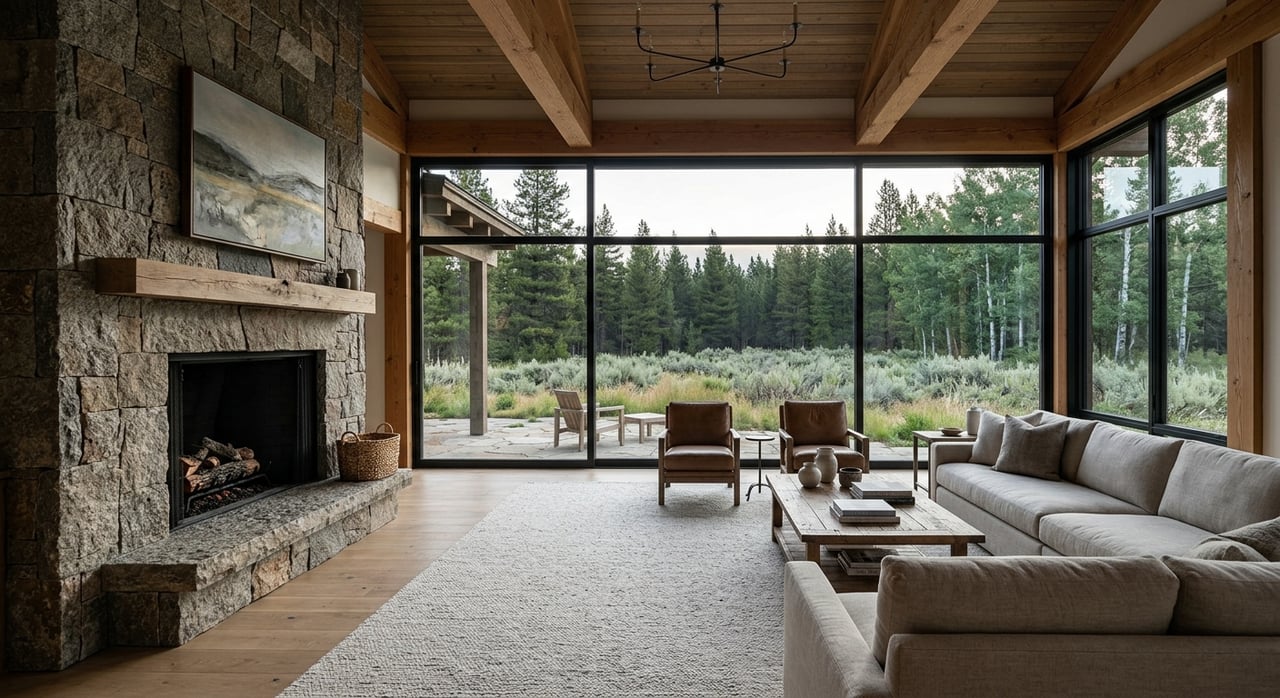
What does a typical day in Wilson, Wyoming actually feel like? If you are drawn to Jackson Hole but want a place that feels quieter at home and still closely connected to outdoor access and daily essentials, Wilson stands out for exactly that reason. A day here often blends coffee, pathways, trailheads, river access, and a short drive to Jackson’s broader dining and service mix. Let’s take a closer look at the rhythm of life on the West Bank.
Wilson feels quiet, not isolated
Wilson is part of the west-side community cluster in Jackson Hole, alongside places like Teton Village, Moose, and Kelly. Teton County planning describes Wilson as a county node with existing education, local convenience commercial uses, sewer, emergency services, recreation, and transit. In practical terms, that means you can enjoy a more tucked-away feel without giving up connection to daily needs.
That planning framework also helps explain Wilson’s personality. The county envisions town-level density, pedestrian access, and gradual infill rather than large-scale redevelopment. So when you spend time in Wilson, it often feels calm and residential, while Jackson remains close by for a wider mix of shopping, dining, and civic services.
Mornings start close to home
A Wilson morning can stay local from the start. West Bank favorites like Pearl Street Bagels’ Fish Creek location, Nora’s Fish Creek Inn, and Persephone West Bank give you easy options for breakfast or coffee without heading into town first. That convenience matters when you want your day to begin at a slower, more comfortable pace.
For many residents, this is part of Wilson’s appeal. You are not cut off from the region’s activity, but you also are not required to build every morning around a drive into Jackson. Daily life can feel more grounded and neighborhood-based.
Pathways shape everyday life
One of Wilson’s biggest lifestyle advantages is how walkable and bike-friendly it is for a mountain community. Teton County’s pathways system includes the West Bank and the Wilson-to-Stilson corridor, and local planning specifically emphasizes alternate transportation modes and pedestrian travel for daily trips. That means a quick outing on foot or by bike can be part of an ordinary day, not just a weekend plan.
This pathway network changes the feel of the area. It supports morning rides, practical errands, and a stronger connection between home, recreation, and community spaces. For buyers comparing different parts of the valley, that can be a meaningful quality-of-life factor.
Outdoor access is part of the routine
In Wilson, outdoor recreation does not have to be a major production. It can be woven into the middle of the day, before work, or after lunch. That is one of the clearest differences between Wilson and places that feel more car-dependent or farther removed from trail access.
Trail Creek opens up options
Just outside Wilson at the base of Teton Pass, Trail Creek Trailhead gives you access to Old Pass Road, the History Trail, Black Canyon, Big Rocks, and downhill mountain bike routes. That range of access supports different kinds of days, whether you want a steady climb, a bike-focused outing, or a shorter adventure.
Because the trailhead is so close, you do not need to reserve your full day to enjoy it. You can build a hike or ride into the natural flow of your schedule. That flexibility is part of what makes Wilson’s lifestyle feel so usable.
Teton Pass raises the pace
Higher up on Highway 22, Teton Pass Trailhead provides access to Black Canyon and the History Trail. In winter, it is also known for backcountry skiing access. For residents who want fast access to higher-elevation terrain, this proximity is a major draw.
The important point is not that every day has to be ambitious. It is that Wilson gives you the option. Living here can mean keeping serious recreation close enough to fit into real life.
Moose-Wilson Road adds a scenic corridor
The Moose-Wilson Road creates another distinct path through the landscape, connecting Moose and Wilson. Along the way, it provides access to the Laurance S. Rockefeller Preserve and the Granite Canyon and Death Canyon trailheads. The National Park Service notes that this corridor is narrow, seasonal, and known for wildlife.
That makes it more than just a road from one point to another. It becomes part of the day itself, whether you are heading out for a hike or simply enjoying a scenic drive on the west side of the valley.
Warm months bring the river closer
During summer, the river becomes part of Wilson’s everyday rhythm too. Teton County manages the Wilson Boat Ramp next to R Park off Moose-Wilson Road, with a public season that typically runs from May 1 through October 31, weather permitting. For people who enjoy being near the water, this adds another layer to daily life on the West Bank.
Even if you are not launching every week, nearby river access helps shape the feel of the area in the warmer months. It gives the community another outdoor focal point and reinforces how closely Wilson’s lifestyle is tied to the landscape.
Afternoons can stay local or expand outward
One of the best parts of a day in Wilson is that you do not have to choose between calm and convenience. You can spend the morning on the pathway, stop for coffee, head to a nearby trailhead, and still keep Jackson within easy reach later in the day. That balance is central to Wilson’s appeal.
For many buyers, this is where the West Bank lifestyle clicks. Wilson often feels residential and low-key at home, but it remains connected to the larger Jackson Hole experience when you want more options.
Evenings often stretch into Jackson
Jackson remains the region’s main dining hub, with options ranging from casual meals to more elevated dining. The broader valley also includes dining choices on the West Bank, in Wilson, Teton Village, and Moose, but Jackson offers the widest mix. That makes it easy to picture a day that starts quietly in Wilson and ends with dinner in town.
This pattern says a lot about how Wilson functions in daily life. It is not trying to be the valley’s main commercial center. Instead, it offers a more intimate home base with straightforward access to the area’s bigger amenities.
Wilson housing feels smaller-scale
Wilson’s housing story matches its day-to-day atmosphere. Teton County planning points toward smaller-scale development patterns, generally following 50-by-150-foot lots with one or two dwelling units in detached or duplex form, along with pedestrian access and riparian protection. The county also notes that infill and redevelopment are expected to happen one or two properties at a time.
That planning approach helps preserve a more intimate feel. Instead of large tract-style expansion, the pattern is more incremental. For buyers and sellers, that matters because it shapes both neighborhood character and the pace of change.
A concrete example is Wilson Meadows Third Filing, where county documents show eight duplexes on 0.97 acres next to Wilson School, with two- and three-bedroom homes on lots of roughly 0.10 to 0.14 acres. That example reflects a local mix of small-lot homes, duplexes, and selective attainable or workforce-oriented housing rather than broad suburban-style buildout.
What this means if you are considering Wilson
If you are thinking about buying in Wilson, the lifestyle is often the first thing that draws you in. You get quick access to trails, pathways, seasonal river use, and the scenic western side of the valley, all while staying close to Jackson’s restaurants and services. That combination is hard to reduce to a simple map search because it is really about how the pieces fit together in daily life.
If you own property in Wilson, that same combination can be part of your home’s market story. Buyers are often looking for more than square footage alone. They want to understand how a home connects to the place around it, and Wilson offers a very specific mix of privacy, recreation, and proximity.
At Budge Kelley Realty Group, we believe markets like Wilson are best understood through local context, not generic assumptions. The details matter here, from housing patterns and access points to the everyday rhythm that makes one location feel different from another. If you are exploring a purchase or thinking about selling on the West Bank, Budge Kelley Realty Group can help you evaluate Wilson with the steady, locally grounded guidance this market deserves.
FAQs
What is daily life in Wilson, Wyoming like?
- Daily life in Wilson often includes local coffee or breakfast, easy access to pathways, nearby trailheads, seasonal river access, and a short drive to Jackson for a wider range of dining and services.
What outdoor access does Wilson, Wyoming offer?
- Wilson offers access to the West Bank pathway network, Trail Creek Trailhead, Teton Pass Trailhead, Moose-Wilson Road, the Laurance S. Rockefeller Preserve area, and seasonal access to the Wilson Boat Ramp.
What makes Wilson, Wyoming different from Jackson?
- Wilson generally feels quieter and more residential, while Jackson serves as the region’s larger hub for dining, retail, professional services, and civic activity.
What kind of housing is common in Wilson, Wyoming?
- Wilson’s housing pattern is generally smaller-scale, with detached homes, duplex-style development, small-lot properties, and incremental infill rather than large-scale tract development.
Is Wilson, Wyoming good for buyers who want outdoor access?
- Wilson can be a strong fit if you want daily access to trails, biking routes, scenic corridors, and seasonal river recreation while staying connected to the rest of Jackson Hole.