Dreaming about a second home where the Tetons feel close, the pace slows down, and the setting is shaped more by open land than by resort bustle? Moran and northern Jackson Hole can offer exactly that, but they ask you to think differently than you would in Jackson or Teton Village. If you are considering a retreat-style property in this part of Wyoming, it helps to understand the tradeoffs, seasonal realities, and ownership questions before you buy. Let’s dive in.
Why Moran Feels Different
Moran sits at the northeastern edge of Grand Teton National Park, about 30 miles north of Jackson along U.S. Highway 89/191/26. The Moran Entrance Station is one of the park’s four entrances, and the road continues north toward Jackson Lake Junction and eventually the south entrance of Yellowstone.
That location gives Moran a very different feel from the valley’s more built-up areas. Grand Teton National Park covers nearly 310,000 acres and includes the northern half of Jackson Hole, so Moran functions more like a park-edge setting than a town-centered community.
For many second-home buyers, that is the appeal. You are not buying into a traditional downtown or full-service resort environment. You are buying into scenery, access, privacy, and a landscape-first lifestyle.
What Daily Life Looks Like
Life in Moran tends to revolve around the natural setting more than around built infrastructure. Nearby access points include the Snake River, Oxbow Bend, Two Ocean Lake, Emma Matilda Lake, and the broader northern park corridor.
That sounds beautiful, and it is. It also means the area operates with a more rural rhythm, where terrain, weather, and recreation often shape your day as much as any schedule does.
The National Park Service notes only a small group of nearby services in the area, including a U.S. post office, an entrance station, an aquatic invasive species boat-check station, Triangle X Ranch, and restaurants, shops, and lodging in Buffalo Valley and Togwotee outside the park. Teton County Firehouse 4 also specifically serves the rural areas of Moran and Buffalo Valley.
Taken together, those facts point to a low-density setting with limited everyday services close at hand. For a second-home buyer, that usually means more peace and space, but less convenience than you would find farther south.
Who Moran Often Fits Best
Moran tends to appeal to buyers who want a retreat, not a hub. If you picture your second home as a place to unplug, spend time outdoors, and enjoy a sense of distance from heavier traffic and commercial activity, this area may feel like a strong match.
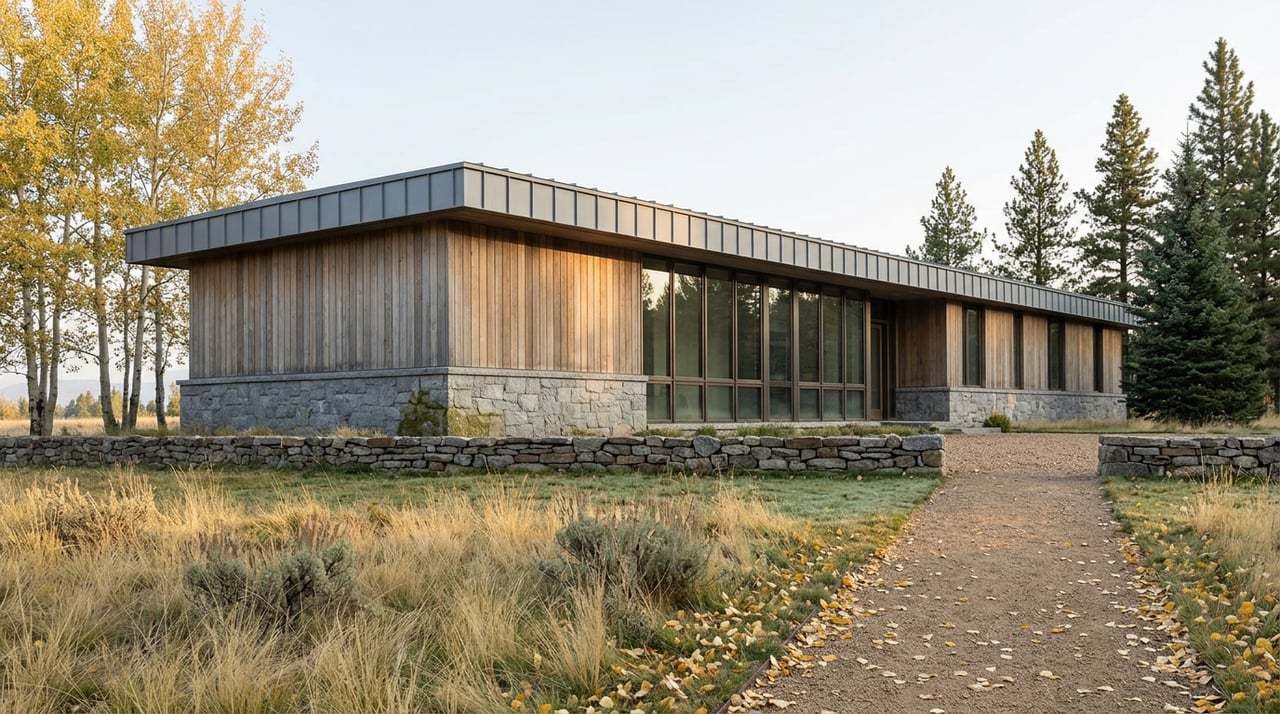
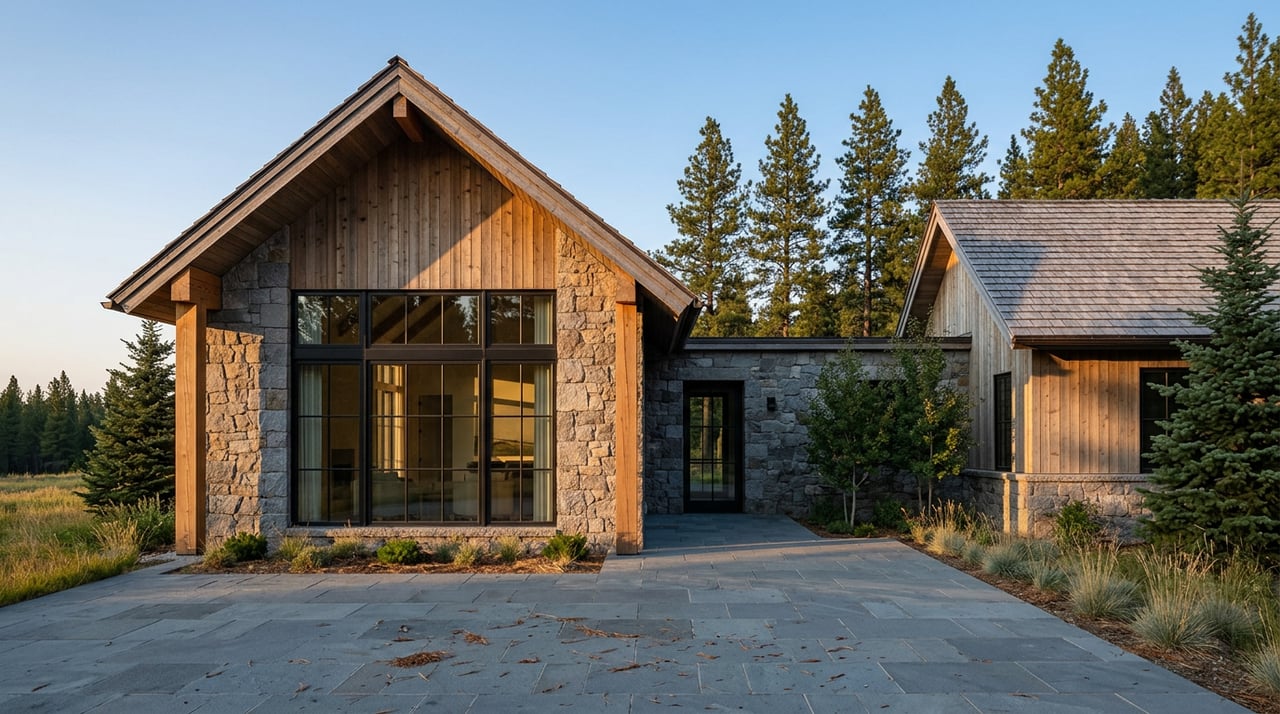
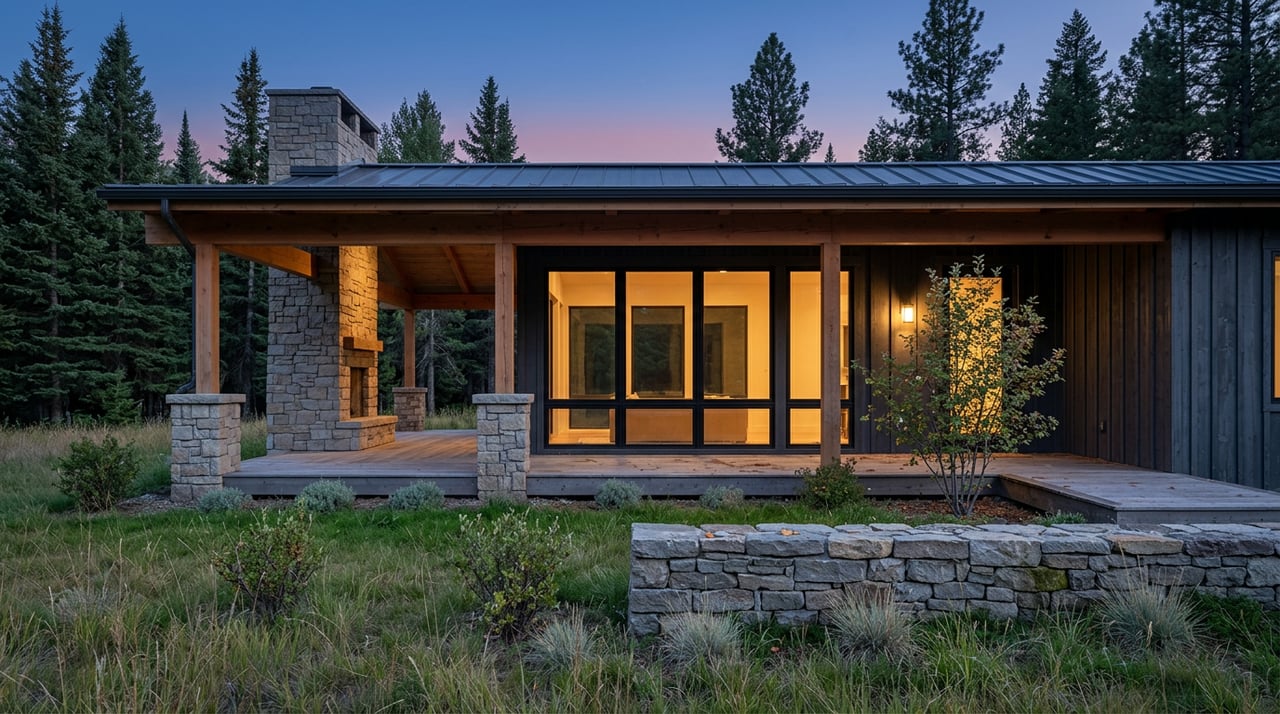
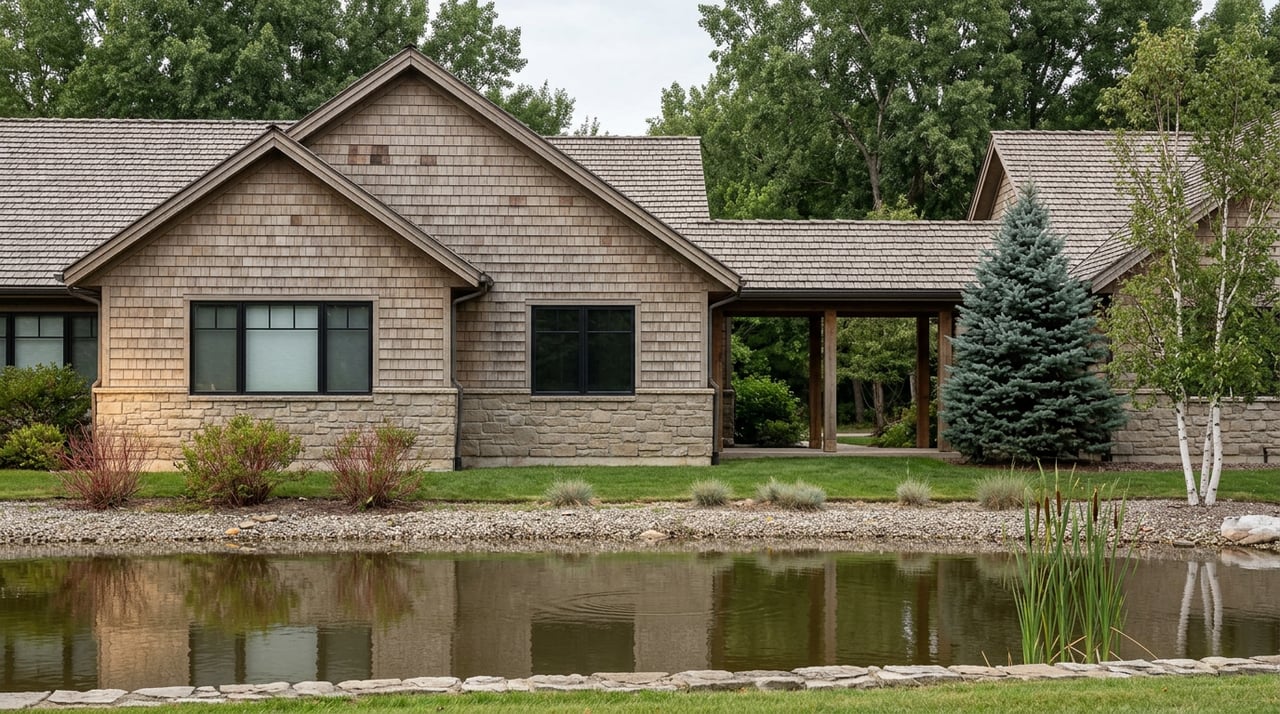
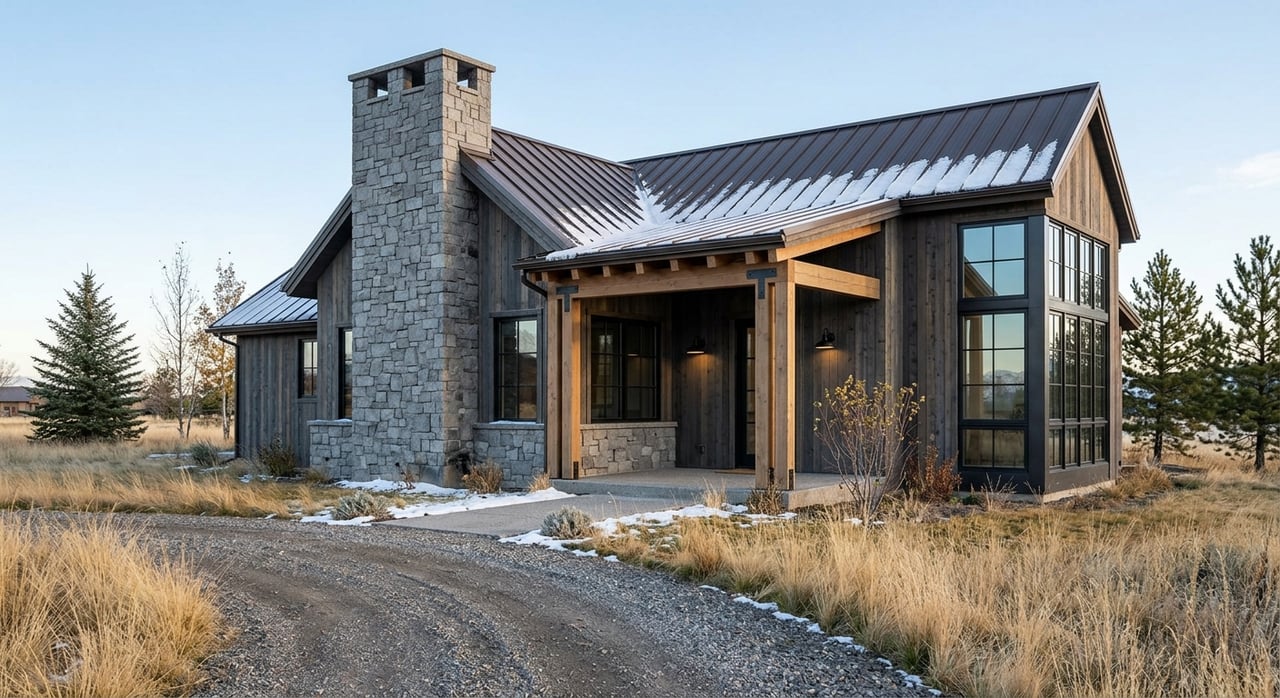
Based on the county’s rural service pattern and the park-area setting, Moran is often better aligned with standalone homes, cabins, larger parcels, ranch-oriented properties, or legacy-style holdings than with dense condo-style inventory. That is not a formal parcel count. It is a practical read on how the area functions.
The character of the landscape reinforces that feeling. The National Park Service highlights Cunningham Cabin as one of the valley’s few remaining homestead-era structures, which adds to the sense that this part of Jackson Hole still carries a historic ranch-and-open-space identity.
Moran vs. Jackson and Teton Village
If you are comparing locations for a second home, the biggest question is often not which place is best. It is which lifestyle fits you best.
Jackson is the county’s incorporated municipal center and describes itself as the cultural, civic, and business heart of the valley. Teton Village has district-level infrastructure that includes water and sewer, snow removal, parking, public transportation, visitor resources, and event programming.
Moran does not offer that same level of built-in town or resort support. In simple terms, you are often weighing convenience and services against privacy, scenery, and immediate access to the park.
Here is a quick comparison:
| Area | What Stands Out | Tradeoff to Consider |
|---|---|---|
| Moran | Privacy, open space, park access, retreat feel | Fewer nearby services and more weather-related planning |
| Jackson | Civic center, broader services, transit, year-round activity | Less seclusion and a more active town environment |
| Teton Village | Resort infrastructure, transportation, visitor amenities | More resort-oriented setting and less rural feel |
Winter Access Matters More Here
One of the most important things second-home buyers should understand about Moran is that year-round use is possible, but it is not effortless in the way some buyers expect from resort markets.
Grand Teton National Park is open year-round, but the park warns that some areas are inaccessible by car from approximately November through May because of seasonal winter closures. Main highways are plowed and open for winter travel from Jackson to Flagg Ranch just south of Yellowstone, but winter conditions can still include ice, hard-packed snow, whiteouts, and the need for winter tires or chains over mountain passes.
There are also specific seasonal road closures that affect movement through the area. Teton Park Road closes from November 1 to April 30 between Taggart Lake Trailhead and Signal Mountain Lodge, and Moose-Wilson Road closes from November 1 until mid-May depending on conditions.
For you as a second-home owner, the practical takeaway is simple. Winter travel should be planned around weather, plowing, and route changes. It should not be treated as automatic or friction-free.
Recreation Is a Major Part of the Value
For the right buyer, Moran’s recreation access is not just a bonus. It is one of the main reasons to own here.
The area offers direct proximity to Oxbow Bend, Snake River floating and fishing, Two Ocean Lake, Emma Matilda Lake, hiking, and backcountry use across Grand Teton’s northern reaches. Oxbow Bend is a year-round overlook between Jackson Lake Junction and Moran Junction, and it remains one of the area’s iconic scenic assets.
At the same time, this is true wildlife country. The Two Ocean Lake area includes black bears, grizzly bears, moose, elk, and other large animals, so buyers should be comfortable with the practical realities of living in bear country.
If Yellowstone is part of your second-home vision, Moran also benefits from its position along the route toward Yellowstone’s south entrance. That said, Yellowstone’s winter road network is much more limited for motorized travel, so it is best to view a Moran property as a base for seasonal park use rather than a guarantee of easy year-round driving loops.
Think Carefully About Rental Plans
Many second-home buyers ask whether a property can help offset ownership costs through short-term rental income. In Moran, that question needs careful local review before you make assumptions.
Teton County states that short-term rentals of less than 31 days are prohibited unless a property falls within one of the listed exceptions, and Moran is not among the listed locations. The county also says accessory residential units may only be rented for a minimum of 90 days.
That does not mean every ownership plan is the same, but it does mean rental use should be checked carefully against zoning, HOA rules, and any special entitlement before you buy. It is much better to confirm what is allowed up front than to discover limits after closing.
Due Diligence Questions to Ask Early
Because Moran is more rural and more park-adjacent than many second-home markets, your due diligence should go beyond the usual home search questions.
As you narrow your options, ask about:
- Seasonal road access and winter driving expectations
- Plowing and route reliability during storms
- Wildlife-related property management needs
- Bear-resistant trash container requirements
- Zoning and any rental-use restrictions
- HOA rules, if applicable
- Property upkeep for a home that may sit vacant part of the year
Teton County requires bear-resistant trash containers countywide, which is one more example of how ownership here is tied to the realities of the local environment. In Moran, practical details matter just as much as views and acreage.
Why Local Guidance Helps in Moran
Second-home purchases in Moran and northern Jackson Hole are often highly specific. The questions are not only about square footage or finishes. They are about access, setting, use, seasonality, and long-term fit.
That is where local context becomes especially valuable. A property that looks ideal on paper may function very differently in winter, may carry meaningful rental limitations, or may simply suit a different ownership style than you have in mind.
When you work with an experienced local team, you can better evaluate the real tradeoffs between solitude and convenience, recreation and maintenance, or legacy appeal and everyday practicality. In a market as nuanced as Jackson Hole, that kind of clarity matters.
A Smart Way to Approach Your Search
If Moran is on your shortlist, start by getting clear on how you want to use the home. Your best option will depend on whether you want a quiet seasonal retreat, a base for outdoor recreation, a legacy-style holding, or a property you expect to enjoy through all four seasons.
From there, focus your search on fit, not just beauty. A stunning setting is important here, but so are road access, operating realities, and the local rules that shape ownership.
If you are considering a second home in Moran or northern Jackson Hole, the right guidance can help you separate what feels appealing from what truly works for your goals. To explore opportunities with a team that understands the local market in detail, connect with Budge Kelley Realty Group.
FAQs
Is Moran, Wyoming practical for year-round second-home use?
- Yes, but year-round use is more dependent on weather, road conditions, and seasonal closures than in Jackson or Teton Village.
How does Moran compare with Jackson for a second home?
- Moran generally offers more privacy, open space, and park access, while Jackson offers more town services, civic infrastructure, and convenience.
Can you use a Moran property as a short-term rental?
- Usually not for stays under 31 days unless the property falls within one of Teton County’s specific exceptions, and Moran is not among the listed locations.
What types of properties are common in Moran and northern Jackson Hole?
- The area tends to align more with standalone homes, cabins, larger parcels, ranch-oriented properties, and retreat-style holdings than with dense condo-style inventory.
What should second-home buyers know about wildlife in Moran?
- Buyers should be comfortable with bear-country living, large-animal activity, and county requirements such as bear-resistant trash containers.
Why do Moran buyers need extra due diligence before purchasing?
- Because seasonal access, winter travel, property use rules, and rural service patterns can have a major impact on how the home functions for you over time.